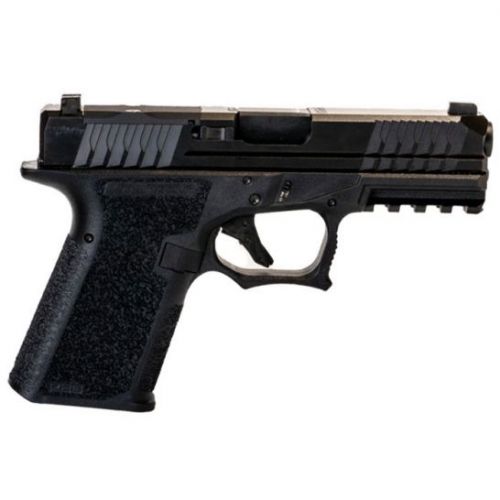
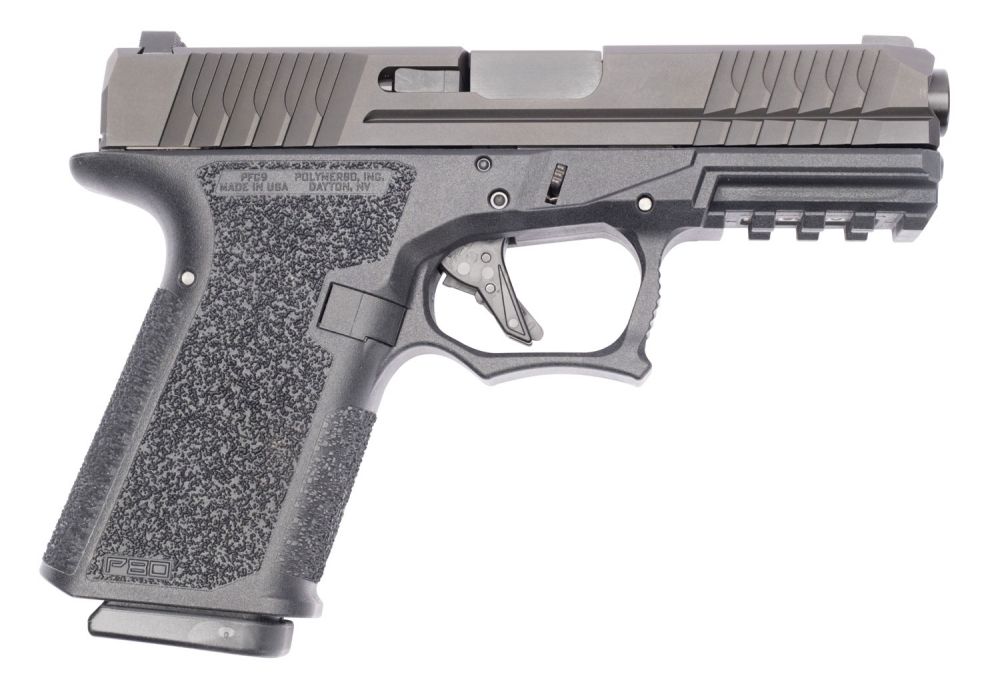
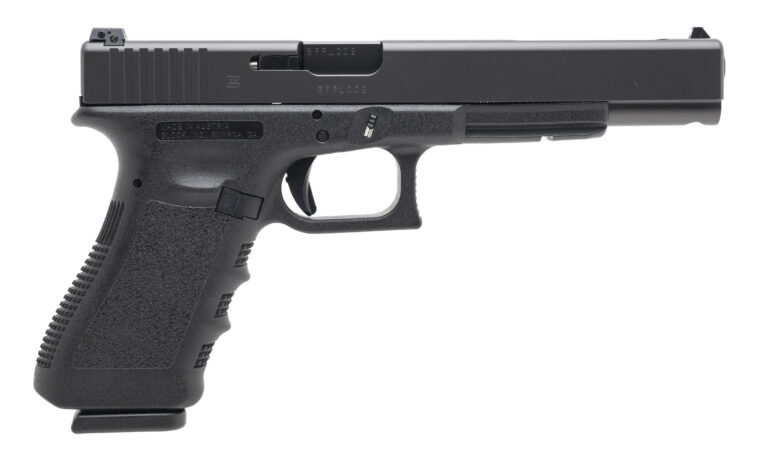
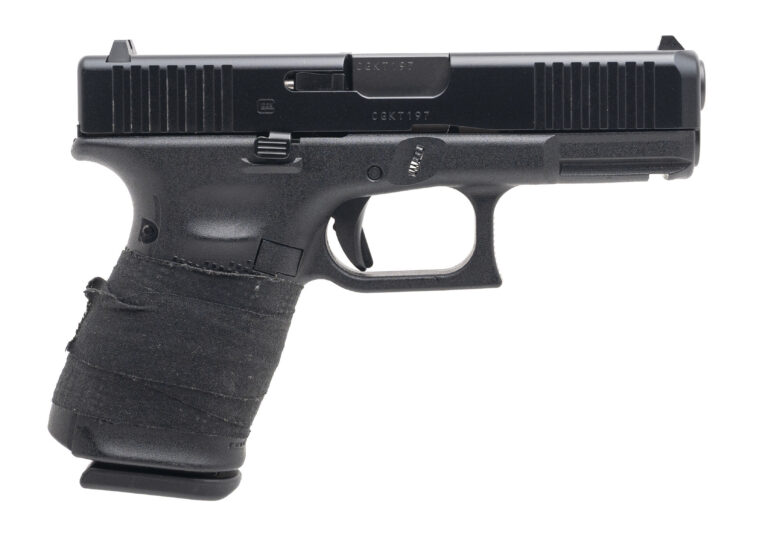
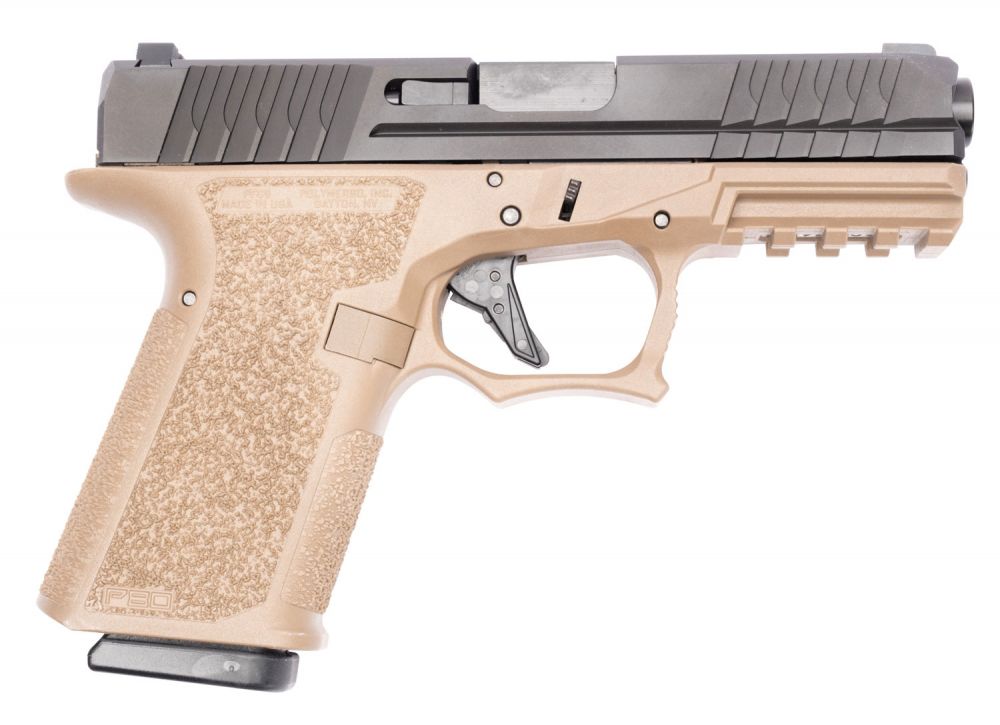
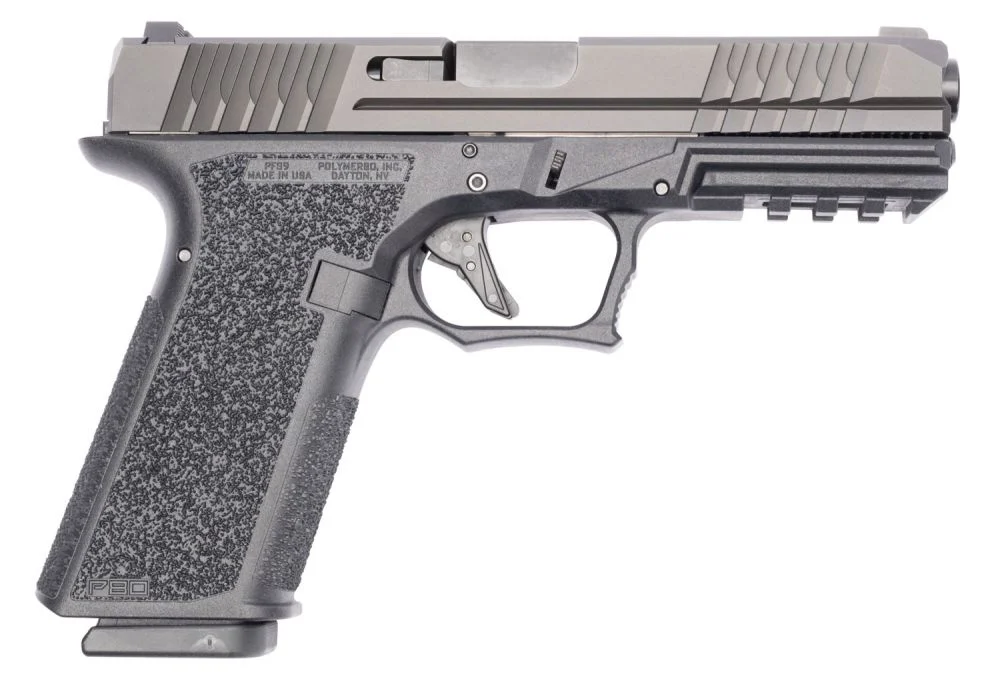
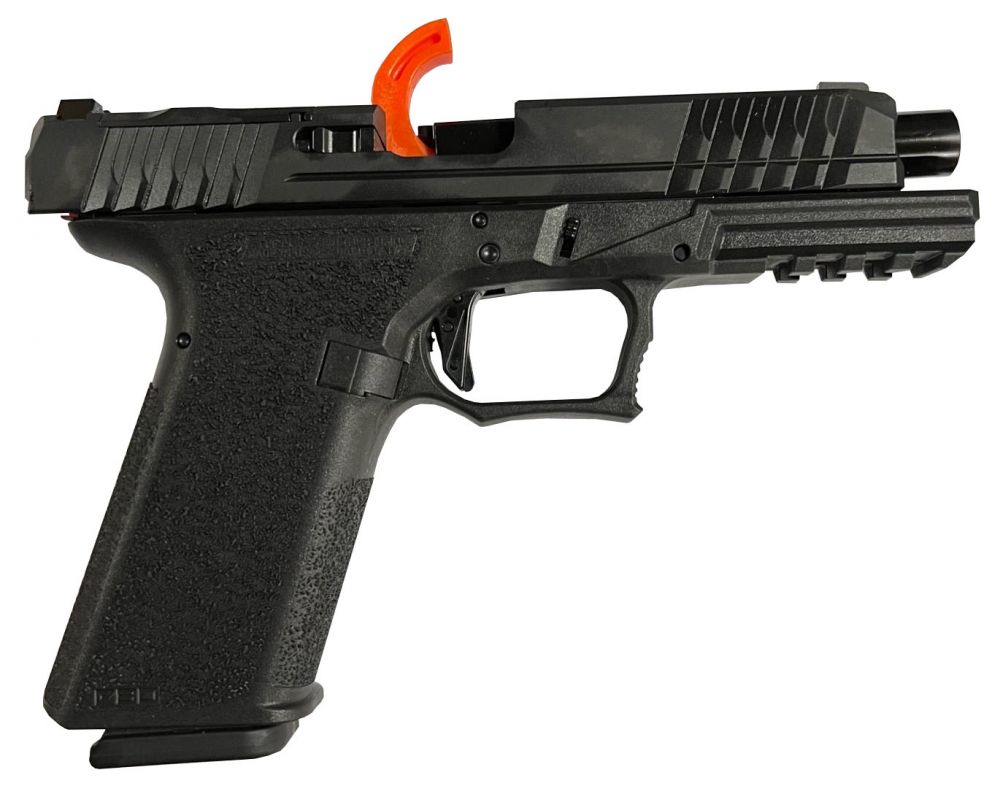
Glock slide parts: extractor, ejection, striker and plates
A Glock slide holds about fifteen parts, and every one of them has a job in the cycle: strip the round, fire it, pull the case out, throw it clear. When a Glock misbehaves, the fault is more often in the slide than the frame, and the parts are small, cheap and quick to change once you know their names. This guide walks the slide from muzzle to rear, names each part, says what it does and how it fails, and notes what changed between generations.
The slide itself
A steel forging on factory pistols, nitrided on Gen 3 and Gen 4 and nDLC-coated on Gen 5, with rails that ride the frame, a breech face that supports the case, a channel for the striker, a slot for the extractor, a dovetail for the rear sight and a hole for the front. Gen 5 slides have a beveled nose, a different locking block engagement and a cut for the ambidextrous slide stop; they fit only Gen 5 frames. Slides do not wear out in normal use; they are replaced for a different look or an optic cut.
Barrel and recoil assembly
The barrel sits in the slide, locks into the ejection port with its hood and cams down on the locking block in recoil. The recoil spring assembly, a captured spring on a rod, seats in a half-moon cut on the barrel lug and against the slide's front. Gen 1 to 3 use a single spring, Gen 4 and Gen 5 each their own dual assembly. The assembly is the one true wear part in the slide, replaced every 3,000 to 5,000 rounds; the barrel is covered in Glock barrels.
Extractor
The claw that grips the case rim and drags the fired case out of the chamber. It pivots in a slot on the right of the slide. Extractors are caliber specific; Gen 3 and Gen 4 9mm pistols use the loaded chamber indicator version with a bump you can feel when a round is chambered, and Gen 5 uses its own. A chipped or rounded claw gives failures to extract; the fix is a new extractor of the right type.
Extractor depressor plunger, spring and bearing
Behind the extractor, running back along the slide, sits a steel plunger with a spring and a small polymer bearing that presses on the extractor's tail and keeps the claw on the case. The bearing comes in two versions to match the LCI and non-LCI extractors. A weak spring or worn bearing gives erratic ejection and brass in the face; the assembly is cheap and is the first part to replace for ejection trouble.
Striker, spring, cups and sleeve
The striker, or firing pin, is a steel rod with a tip for the primer and a lug at the rear for the trigger bar's cruciform. Its spring is held by two half-cups against a collar, and a polymer spacer sleeve centers the rear of the assembly. A worn tip or a tired spring gives light strikes; a broken cup drops the spring off and gives a dead trigger. Gen 5 strikers differ from Gen 1 to 4 and the slimline pistols use their own.
Firing pin safety and spring
A spring-loaded plunger in the slide that blocks the striker until the trigger bar's ramp lifts it. It is the drop safety in the slide, and its spring stays factory. Gen 5 uses a larger plunger. A plunger that sticks gives a gritty pull; polish it, never replace its spring with a lighter one.
Firing pin channel liner
A plastic tube pressed into the striker channel. It does not come out for cleaning and is replaced only if damaged or if an aftermarket slide came bare. The channel it lines must stay dry.
Slide cover plate
The polymer plate at the rear of the slide that holds the striker assembly and depressor plunger in place. Press the spacer sleeve down and it slides off. Aluminum plates are cosmetic; the factory plate is fine and is the part most often lost on a bench.
Sights
Sights are the one slide part that every owner changes and that never wears out; the polymer factory sights are replaced because they are polymer, not because they fail. The rear sight sits in a dovetail and is pushed in from the side; the front is held by a small hex nut from inside the slide. The same cuts on every generation, so any Glock sight fits any Glock slide of its frame width; slimline slides take slimline sights.
Generation quick reference
- Cross all generations: sights, channel liner, slide cover plate.
- Gen 1 to 4: striker, spring, cups, sleeve, firing pin safety, extractor (LCI or plain), depressor plunger with matching bearing.
- Gen 5 only: its own striker, firing pin safety, extractor and cups; Gen 5 slides and barrels.
- Caliber specific: extractor and barrel always; striker on the large frames.
Reading a slide fault
Failure to extract: extractor. Erratic ejection or brass in the face: depressor plunger assembly, then the ejector in the frame. Light strikes: striker spring or a dirty channel. Dead trigger with a pull that goes limp: striker cups or a striker not caught. Slide slow to return: recoil assembly. The frame side of the same faults is in Glock frame parts, the intervals in the wear schedule, and the markings that tell you which part you have in part numbers and markings. Browse slide parts; they ship to your door.
General information, not legal advice. Current as of September 2026. Laws change; check the official source before you act.